Unipac integra S&OP, capacidade e estoques com o NPLAN e reduz rupturas em 58%
Referência nacional em tecnologias de aplicação de polímeros e parte do Grupo Jacto, a Unipac substituiu planilhas e análises descentralizadas por um único ambiente de planejamento integrado, reduzindo esforço manual, acelerando decisões e elevando a saúde dos estoques na unidade de Pompeia/SP.

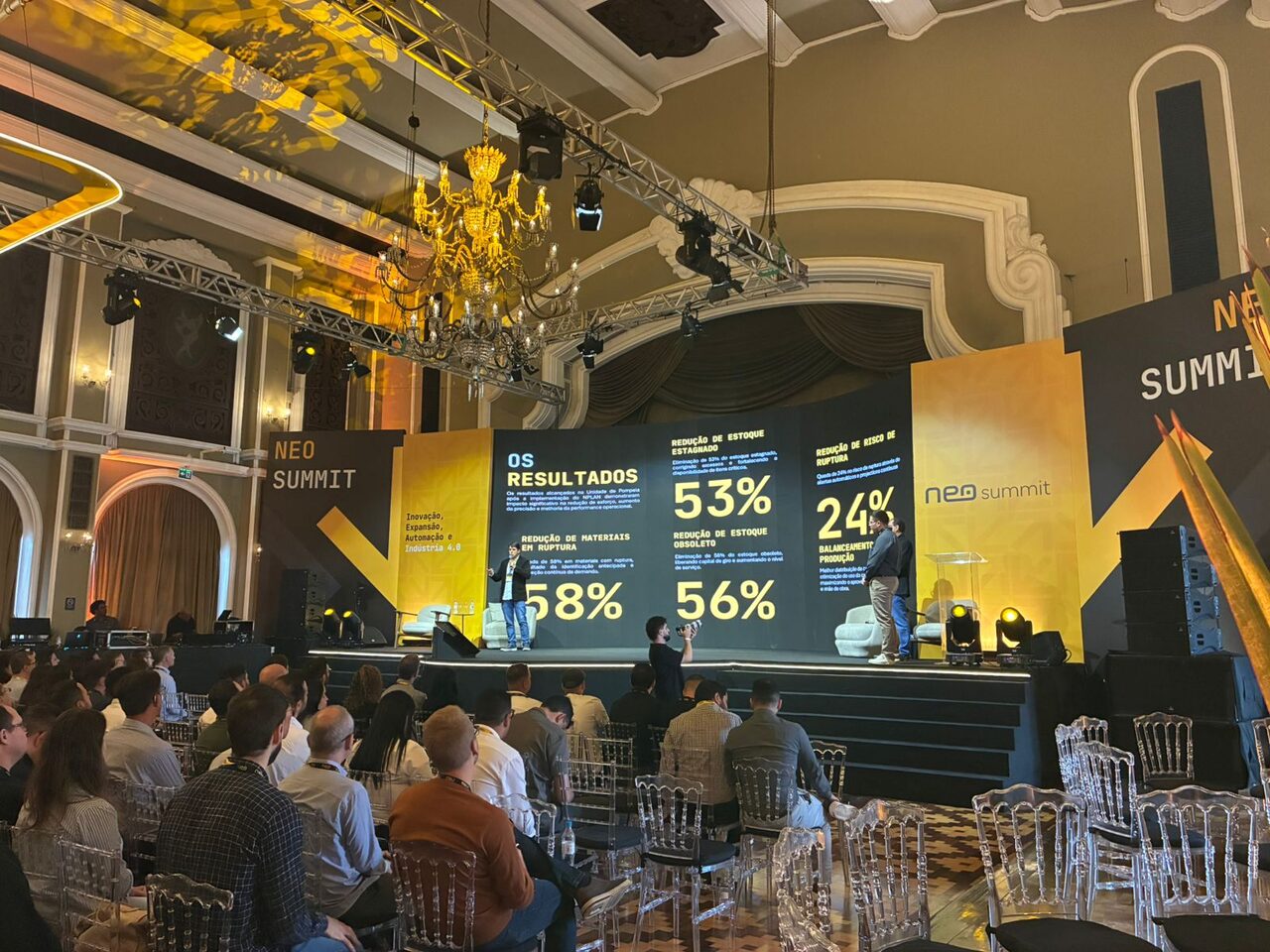
Resultados na unidade de Pompeia
Indicadores medidos após a estabilização do NPLAN, comparando o estado anterior baseado em planilhas com o modelo integrado de planejamento.
Sobre a Unipac
Com 50 anos de história em 2026 e cerca de 1.000 colaboradores, a Unipac é referência em tecnologias de aplicação de polímeros. Reúne, em uma mesma operação, seis processos produtivos: sopro, injeção, injeção estrutural, extrusão de chapas, termoformagem e rotomoldagem.
Atende setores como automotivo, agronegócio, logístico, alimentício e veículos elétricos industriais, com duas unidades fabris em Pompeia (SP) e Limeira (SP) e três operações in house em clientes estratégicos. É líder no fornecimento de embalagens plásticas rígidas para defensivos agrícolas e integra o Grupo Jacto, multinacional brasileira presente nos cinco continentes.
"Depois de procurar e testar várias plataformas consolidadas no mercado, escolhemos o NPLAN porque foi quem melhor atendeu aos requisitos de gestão de estoques e às complexidades da fábrica. Mais de 350 cenários simulados nos últimos 6 meses, 27% de redução em atrasos e rupturas, 15% de melhoria na saúde dos estoques."
O desafio
Antes do NPLAN, o planejamento concentrado em Pompeia, mas que envolvia outras duas cidades e seis subdivisões internas, dependia fortemente de planilhas paralelas e análises descentralizadas. Cada simulação exigia esforço operacional intenso para gerar cenários, revisar planos e identificar riscos de ruptura, gerando decisões reativas baseadas em dados não integrados.
As revisões de S&OP, MPS e planejamento tático demandavam ciclos longos de preparação. A ausência de um modelo único de simulação dificultava a previsão de impactos de variações de demanda, capacidade, lead times, políticas de estoque, mix produtivo e restrições de materiais, elevando o risco de atrasos, excesso de inventário e baixa acuracidade nas decisões.
A Unipac buscava uma solução capaz de integrar previsões, carteira, capacidade e parâmetros de estoque em um único ambiente, com atualização diária e automatizada, reduzindo esforço manual e criando uma estrutura consistente para simulação, resposta rápida às mudanças e planejamento de longo prazo.
A solução com o NPLAN
A implantação consolidou em um único modelo previsões, pedidos firmes, estoques, políticas de estoque, lista técnica, capacidades, restrições de recursos e lead times de fornecimento, calculando de forma automatizada o saldo projetado ao longo do horizonte de planejamento.
Plano mensal integrado para o S&OP
Um pilar técnico foi o plano mensal integrado, que projeta simultaneamente a necessidade de produtos acabados, semiacabados e matérias-primas, considerando políticas de estoque, demanda agregada e capacidade produtiva. O fluxo automatizado substituiu análises manuais e elevou a precisão dos cálculos de reposição, consumo, disponibilidade e risco de ruptura.
Sincronização com o Opcenter AS
O NPLAN passou a gerar ordens planejadas para abastecimento da produção, sincronizando o plano tático com o sequenciamento do Opcenter AS. Esse alinhamento técnico reduziu inconsistências entre planejamento e execução.
Projeção de saúde de estoque e alertas
A solução calcula estoques futuros em unidades, valor e dias de cobertura, gerando alertas automáticos para riscos de ruptura, excesso, obsolescência ou desalinhamento entre plano de produção e política de estoque. A acuracidade da previsão é monitorada continuamente com indicadores como WMAPE.
Simulações multivariáveis e integração SAP
O módulo de simulação permite testar incrementos de demanda em itens estratégicos, capacidade de máquinas, políticas de estoque, tamanhos de lote, prazos de fornecimento e restrições de materiais críticos, apoiando decisões sobre corte de plano, antecipações, priorizações comerciais e negociação com fornecedores. As integrações automáticas com o SAP ocorrem em ciclos de poucos minutos, garantindo que o NPLAN opere sempre com dados atualizados.
Como usuário e key user da ferramenta NPLAN, vivencio diariamente os ganhos que ela trouxe para o planejamento e para a governança do processo. No uso operacional, o NPLAN tornou a rotina mais organizada, confiável e ágil, enquanto, no papel de key user, possibilitou padronizar práticas, apoiar os times, melhorar a qualidade das informações e evoluir continuamente o processo.
Resultados detalhados
A automatização das rotinas e a centralização das informações reduziram substancialmente o trabalho manual do time de planejamento. Um processo antes executado por uma pessoa durante o mês inteiro passou a ser realizado com dedicação parcial em duas semanas, com simulações de cenários em minutos e maior disponibilidade da equipe para análises estratégicas.
A atuação direta na saúde dos estoques reduziu materiais em ruptura em 58% e o risco em 24%, fruto da identificação antecipada e da projeção contínua da demanda. Também foi possível eliminar 53% do estoque estagnado e 56% do obsoleto, corrigindo excessos e fortalecendo a disponibilidade de itens críticos. O balanceamento da produção avançou significativamente, com distribuição mais adequada da carga fabril e melhor utilização da capacidade instalada.
A integração diária e automatizada dos dados garantiu maior confiabilidade e eliminou divergências que antes dificultavam o processo decisório. Os alertas automáticos passaram a orientar o foco para exceções, reduzindo retrabalho e acelerando a resposta a desvios. O número de simulações cresceu exponencialmente, superando os 1.000 cenários gerados.
O acompanhamento histórico dos cenários habilitou análises críticas entre planejamento anual e execução mensal. Dashboards especializados comparam demandas previstas, faturamento realizado, expectativa de uso de máquinas e produção real, consolidando uma referência clara para o direcionamento executivo e uma gestão baseada em evidências.
A implantação do NPLAN marcou a evolução do Supply Chain da Unipac. Ao integrar planejamento, produção e estoques, a solução elevou o nível das decisões e trouxe velocidade, confiança e visão integrada. Reduziu excessos, liberou capital de giro e aumentou o nível de serviço. Com dados confiáveis e visão integrada da cadeia, o NPLAN se tornou peça importante para sustentar o crescimento da Unipac.
A digitalização dos processos internos sempre gera expectativa e certo desconforto. O NPLAN demonstrou rapidamente sua capacidade de entregar resultados concretos na gestão de estoques e elevou significativamente a eficiência dos ciclos de S&OP. Mais do que ganhos operacionais, o que se destaca é a transformação cultural: passamos a evoluir de forma mais dinâmica, formulando perguntas mais relevantes e obtendo respostas consistentes que proporcionam insights antes inimagináveis.
Leve este case para a sua reunião
O mesmo conteúdo desta página, em PDF, para circular internamente.
Ao continuar, você concorda com a Política de Privacidade.
O que está no documento:
- PDF A4, pronto para imprimir
- Contexto, o que foi implantado e resultados de Unipac
- Mesma informação da página, sem conteúdo extra
Quer resultados como os da Unipac na sua operação?
Converse com a equipe NPLAN sobre integração com SAP, Opcenter AS e a estruturação de um S&OP integrado.