Em qualquer operação industrial, materiais MRO representam um desafio particular. Diferente das matérias-primas, esses itens possuem demanda irregular, lead times incertos e um impacto desproporcional na continuidade da produção. Este artigo apresenta as boas práticas para estruturar o planejamento de MRO dentro de uma solução de Supply Chain Planning.
Segmentação: o ponto de partida
Gerir MRO de forma eficiente começa por segmentar os itens conforme o comportamento de consumo e o nível de criticidade operacional. Itens com consumo contínuo e baixa criticidade seguem políticas de reposição simples e automatizadas. Itens críticos, com consumo esporádico ou lead times longos, exigem estratégias diferenciadas.
A partir dessa classificação, cada grupo recebe políticas de estoque específicas: ponto de reposição para itens regulares, modelos min/max para consumo intermitente e estoques estratégicos para itens cuja ruptura pode paralisar uma linha inteira. Essa diferenciação é o que separa uma gestão reativa de uma gestão estruturada.
Com as políticas definidas, automatizar o processo de reposição garante disciplina na execução e elimina a dependência de decisões manuais. Sem essa automação, mesmo políticas bem desenhadas perdem eficácia na operação do dia a dia.
Planejamento orientado a risco
Nesse ponto, a discussão evolui de gestão de estoque para gestão de risco operacional. A análise de MRO precisa considerar cenários como atrasos de fornecedores, aumento de falhas de equipamentos e variações inesperadas no volume de produção.
Simular esses cenários permite antecipar riscos de ruptura e avaliar os impactos na operação antes que se concretizem. Uma peça de reposição que falta no momento certo pode significar horas ou dias de parada, com custos que superam em dezenas de vezes o valor do item em estoque.
Com essa abordagem, as decisões deixam de se basear em níveis estáticos de estoque e passam a ser orientadas por avaliação de risco e impacto operacional. O MRO deixa de ser tratado como centro de custo e passa a funcionar como instrumento de proteção de receita.
Na prática com O NPLAN
O NPLAN permite identificar com clareza itens com excesso de estoque e itens em risco de ruptura, trazendo visibilidade completa para a tomada de decisão. Dashboards dedicados mostram a saúde do estoque por segmento de criticidade, eliminando a necessidade de relatórios manuais e planilhas paralelas.
As políticas de reposição são configuradas diretamente no sistema e executadas de forma automática. Isso garante consistência operacional e libera a equipe de planejamento para focar em análise e decisão, em vez de controle manual de pedidos.
A simulação de cenários integrada ao planejamento permite avaliar antecipadamente os impactos de cada decisão, incluindo riscos de ruptura e o custo do capital imobilizado. Essa capacidade de simular antes de decidir é o que diferencia um planejamento reativo de um planejamento estruturado.
Exemplo: Tabela de Itens MRO
A tabela abaixo ilustra como diferentes itens MRO são segmentados por criticidade, com políticas de estoque ajustadas ao comportamento de consumo e ao risco operacional de cada categoria.
| Descrição | Criticidade | |||||
|---|---|---|---|---|---|---|
 | 5003 Lubrificante hidráulico | 7d | 20 | 7d | 14d | |
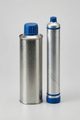 | 5004 Graxa industrial | 7d | 24 | 7d | 14d | |
 | 5005 Óleo de corte | 12d | 10 | 7d | 14d | |
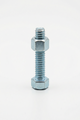 | 5008 Parafuso M8 | 5d | 100 | 7d | 14d | |
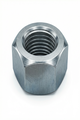 | 5009 Porca M8 | 5d | 100 | 7d | 14d | |
 | 5010 Arruela M8 | 5d | 100 | 7d | 14d | |
 | 5011 Fita isolante | 3d | 50 | 7d | 14d | |
 | 5015 Luvas de segurança | 5d | 200 | 7d | 14d | |
 | 5016 Óculos de proteção | 7d | 50 | 7d | 14d | |
 | 5017 Máscara descartável | 5d | 300 | 7d | 14d | |
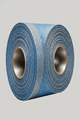 | 5018 Pano industrial | 4d | 100 | 7d | 14d | |
 | 5019 Desengraxante industrial | 6d | 30 | 7d | 14d | |
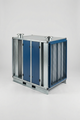 | 5001 Filtro de ar industrial | 15d | 10 | 30d | 44d | |
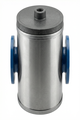 | 5002 Filtro de óleo | 10d | 12 | 30d | 44d | |
 | 5006 Correia de transmissão | 20d | 5 | 7d | 60d | |
 | 5007 Rolamento padrão | 18d | 10 | 7d | 60d | |
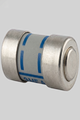 | 5012 Fusível industrial | 10d | 20 | 7d | 60d | |
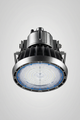 | 5013 Lâmpada industrial LED | 12d | 15 | 7d | 60d | |
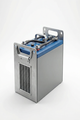 | 5014 Bateria empilhadeira | 30d | 2 | 30d | 60d | |
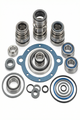 | 5020 Kit manutenção preventiva bomba | 25d | 3 | 30d | 60d |
Exemplo ilustrativo de segmentação MRO com políticas de estoque configuradas no nPlan
Exemplo de cálculo de ressuprimento dinâmico com estratégias de estoque:
Insights Práticos
Pontos-chave para considerar ao estruturar o planejamento de MRO:
MRO ≠ Matéria-Prima
Demanda irregular, com longos períodos zerados seguidos de picos. Lead time incerto. Um item barato pode parar a fábrica. Tratar MRO com lógica de MRP tradicional quase sempre dá errado.
Segmentação Inteligente é Inegociável
Não basta ABC clássico. Analisar criticidade, custo e incerteza da demanda é o básico para começar.
Política de Estoque com Estratégia
Consumo contínuo: ponto de reposição + estoque de segurança. Consumo intermitente: min/max ou revisão periódica. Crítico sem histórico: estoque estratégico ou engenharia reversa.
Integração com Manutenção
Conectar plano de manutenção preventiva ao planejamento, usar calendário de manutenção como demanda prevista e considerar MTBF e histórico de falhas reduz drasticamente a aleatoriedade.
Reposição Automatizada
Reorder point automático, min/max dinâmico e disparo automático de compras. Mais importante que previsão sofisticada.
Centralização e Gestão de Dados
MRO costuma estar espalhado pela fábrica. Descrições inconsistentes, códigos diferentes para o mesmo item. Resultado: compra duplicada, estoque escondido, falta artificial. Empresas maduras centralizam cadastro e padronizam descrição.
Foco em Right Sizing
O objetivo não é reduzir estoque. É equilibrar custo de manter e risco de parar a operação.
Simulação de Cenários MRO
Cenário com aumento de falhas, atraso de fornecedor, redução de manutenção. E ver o impacto em estoque, custo e risco de ruptura. Quase todo mundo faz MRO de forma estática. O que faz diferença real é simular.
Conclusão
Planejamento de MRO exige uma abordagem própria. Segmentação por criticidade, automação de políticas de reposição e simulação de cenários são os pilares que transformam a gestão de MRO de um processo reativo em uma estratégia estruturada de proteção operacional. Com O NPLAN, essas práticas se tornam parte do fluxo de trabalho, e não exceções gerenciadas por planilhas.
Tratar MRO como 'estoque qualquer' é aceitar que a operação ficará refém de peças que custam pouco, mas que, quando faltam, custam muito.