Como a Premier Pet saiu de uma semana para 3 minutos na simulação de cenários e escalou a operação sem aumentar o PCP
A Premier Pet cresceu rápido: novas fábricas, mais linhas, mais produtos, mais complexidade. Saiu de um contexto controlável para uma operação com mais de 500 SKUs, centenas de matérias-primas e múltiplas fábricas e CDs. O problema deixou de ser produzir e passou a ser planejar.

Resultados em destaque
Indicadores observados após a integração de planejamento, sequenciamento e distribuição em um único modelo conectado ao ERP e aos sistemas de fábrica.
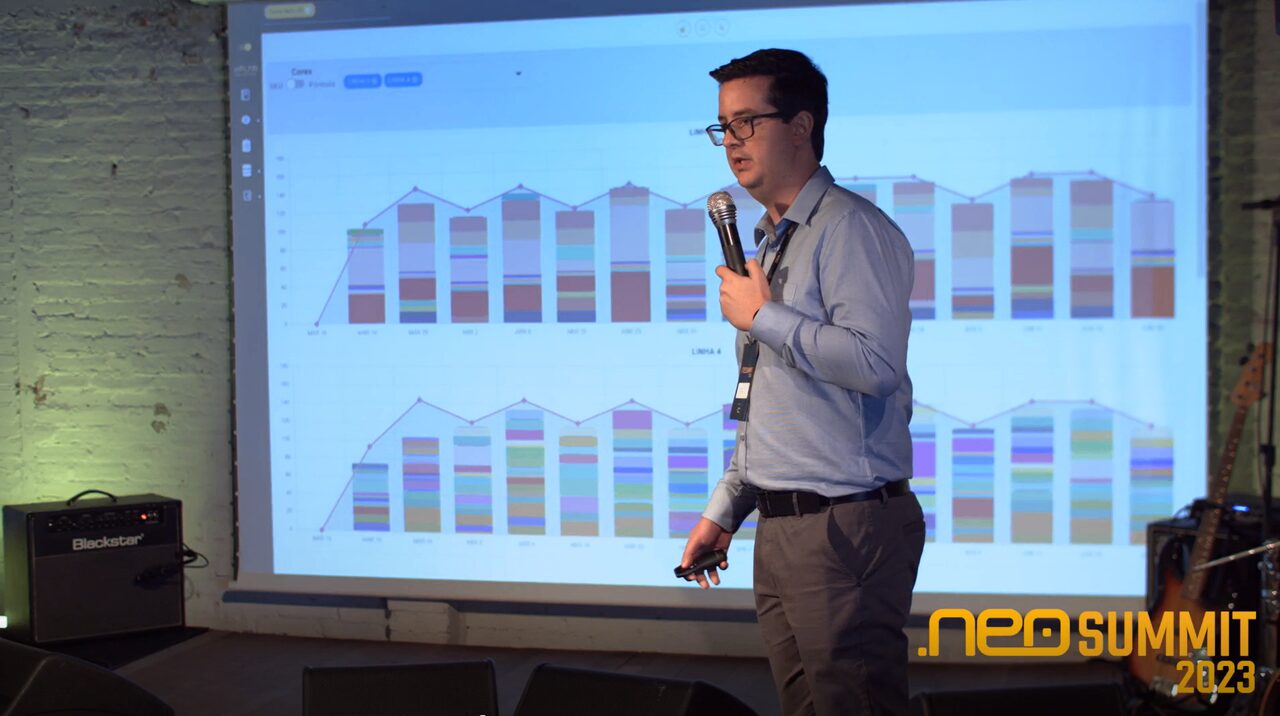
"Na pandemia, a demanda cresceu de forma exponencial e foi um dos motivos que acelerou a inauguração da nova fábrica no Paraná. Com novas fábricas, novas linhas e novos produtos, o Excel tem uma certa limitação. A gente precisava de uma solução completa: planejamento, programação e abastecimento dos CDs, tudo junto."
O desafio
O modelo de planejamento não acompanhava o crescimento. Havia forte dependência de Excel, processos manuais, baixa capacidade de simulação e decisões demoradas. A geração de um único cenário podia consumir uma semana inteira de trabalho, o que limitava completamente a tomada de decisão e mantinha o time ocupado operando o plano em vez de decidir o plano.
O que motivou a mudança
A necessidade não era apenas melhorar. Era viabilizar o crescimento. A própria equipe enxergava o limite do modelo anterior e dois objetivos guiaram a decisão: eliminar o trabalho manual e tornar o time mais analítico, deixando a planilha de ser o ponto central da operação.
A solução
A Premier Pet estruturou o planejamento em três camadas conectadas: planejamento mestre com NPLAN, sequenciamento com APS e distribuição com DRP. Tudo integrado ao ERP e aos sistemas de fábrica.
O fluxo passou a ser único: demanda → cenário → decisão → ordens → sequenciamento → execução → feedback. Sem retrabalho e sem planilha paralela.
O que mudou na prática
Simulação deixou de ser gargalo
Antes, era um cenário por semana com esforço manual elevado. Hoje, múltiplos cenários são gerados em minutos, permitindo comparar alternativas e elevar a qualidade da decisão.
Planejamento virou automático
Antes, o plano mestre era construído em Excel e as ordens eram digitadas manualmente. Agora, o plano é gerado automaticamente e as ordens são criadas em segundos.
Compras deixou de depender de feeling
Antes, decisões de compras eram baseadas em histórico e percepção. Hoje, são orientadas pelo plano real, com visibilidade exata do que precisa ser comprado e em qual horizonte.
Política de estoque estruturada
Antes, a política era indefinida e a operação chegava a parar por excesso de estoque. Hoje, a política é estruturada por curva e capacidade, evitando paradas e ajustando o nível de cobertura ao perfil de cada item.
Sequenciamento deixou de gerar gargalo
Antes, o fluxo era decidido pela operação no piso de fábrica e gargalos surgiam quase todos os dias, com paradas por falta de silo ou capacidade. Hoje, o fluxo é otimizado automaticamente pelo APS, garantindo continuidade.
"Antes do APS, o pessoal da operação decidia o fluxo entre silos e ensacadoras no chão de fábrica. Quase todo dia a gente tinha algum tipo de gargalo. Às vezes a linha parava porque não tinha silo disponível para receber o produto. Hoje o sistema garante antecipadamente que aquele fluxo vai ser seguido da forma mais otimizada possível."
Reprogramação deixou de ser manual
Antes, qualquer parada exigia refazer o plano no Excel. Hoje, a reprogramação é rápida e estruturada, mantendo a coerência entre demanda, materiais, capacidade e distribuição.
Escala sem aumentar o time
A operação cresceu de forma significativa: mais fábricas, mais linhas, mais SKUs e mais matérias-primas. O time de PCP, no entanto, não precisou crescer na mesma proporção, porque a natureza do trabalho mudou.
"Com novas fábricas, novas linhas, novos produtos, o Excel chegou no limite. A gente precisava acompanhar o crescimento e não podia deixar de entregar. O trabalho continua o mesmo, mas hoje somos muito mais analíticos do que operacionais."
Visibilidade real para decidir
Antes, decisões eram tomadas sem enxergar o impacto completo. Hoje, o time consegue acompanhar o comportamento de estoque ao longo do tempo, identificar excesso e ruptura, avaliar ociosidade de linhas e antecipar problemas.
Essa visibilidade é usada de forma prática, inclusive para alinhar manutenção no melhor momento, identificando janelas de menor impacto sobre o plano de produção.
"Hoje consigo ver que na semana do dia 26 de março tem uma janela de ociosidade na linha. Então chego para a manutenção e falo: essa é a semana ideal para vocês atuarem. Antes, essa visibilidade simplesmente não existia."
Antes vs depois
- Excel como base do planejamento
- 1 cenário por vez
- 1 semana para simular
- Compras por histórico
- Política de estoque indefinida
- Gargalos frequentes
- Reprogramação manual
- Planejamento integrado em três camadas
- Múltiplos cenários comparados
- 3 minutos por simulação
- Compras orientadas pelo plano
- Política estruturada por curva e capacidade
- Fluxo otimizado pelo APS
- Reprogramação rápida e estruturada
O principal aprendizado
A Premier Pet não ganhou apenas eficiência. Ganhou capacidade de decisão. Saiu de um modelo baseado em esforço para um modelo baseado em simulação, o que permite crescer com complexidade sem perder controle.
Leve este case para a sua reunião
O mesmo conteúdo desta página, em PDF, para circular internamente.
Ao continuar, você concorda com a Política de Privacidade.
O que está no documento:
- PDF A4, pronto para imprimir
- Contexto, o que foi implantado e resultados de Premier Pet
- Mesma informação da página, sem conteúdo extra
Quer escalar sua operação sem aumentar o PCP?
Converse com a equipe NPLAN sobre integração de planejamento, sequenciamento e distribuição em um único modelo conectado ao seu ERP.